Planning a Rift Valley route often comes down to a single question. Lake Nakuru versus Hells Gate is one of the most useful Kenya comparisons you can make. The parks sit close together but serve different travel styles. This guide helps you choose by wildlife, activities, scenery, and time. Use it before you fix your itinerary.
Lake Nakuru versus Hells Gate: Which Park Is Better for Wildlife?
Choose Lake Nakuru if wildlife viewing is your priority. It offers a conventional game-drive experience, with strong chances of seeing rhinos, buffalo, giraffes, zebras, and waterbirds. Choose Hell’s Gate for open landscapes and active exploration rather than a Big Five safari. Hell’s Gate is especially rewarding for walking, cycling, cliffs, and gorges.
Lake Nakuru National Park is a compact park, but it packs a lot into a small area. The lakeshore, grassland, and woodland hold rhino, buffalo, giraffe, zebra, waterbuck, and many birds. Hell’s Gate National Park is different. Plains game such as zebra and giraffe move across open country, but predators are not the main draw. If you measure a safari by wildlife density, Nakuru usually wins.
What Wildlife Can You Expect at Lake Nakuru and Hell’s Gate?
Lake Nakuru is the better choice for rhinos, concentrated lakeshore birdlife, and classic safari photography. Hell’s Gate supports plains game such as zebra, giraffe, hartebeest, and antelope, but it is not primarily a predator-viewing destination. Flamingo numbers at Lake Nakuru can change with water conditions, lake levels, food availability, and seasonal movement.
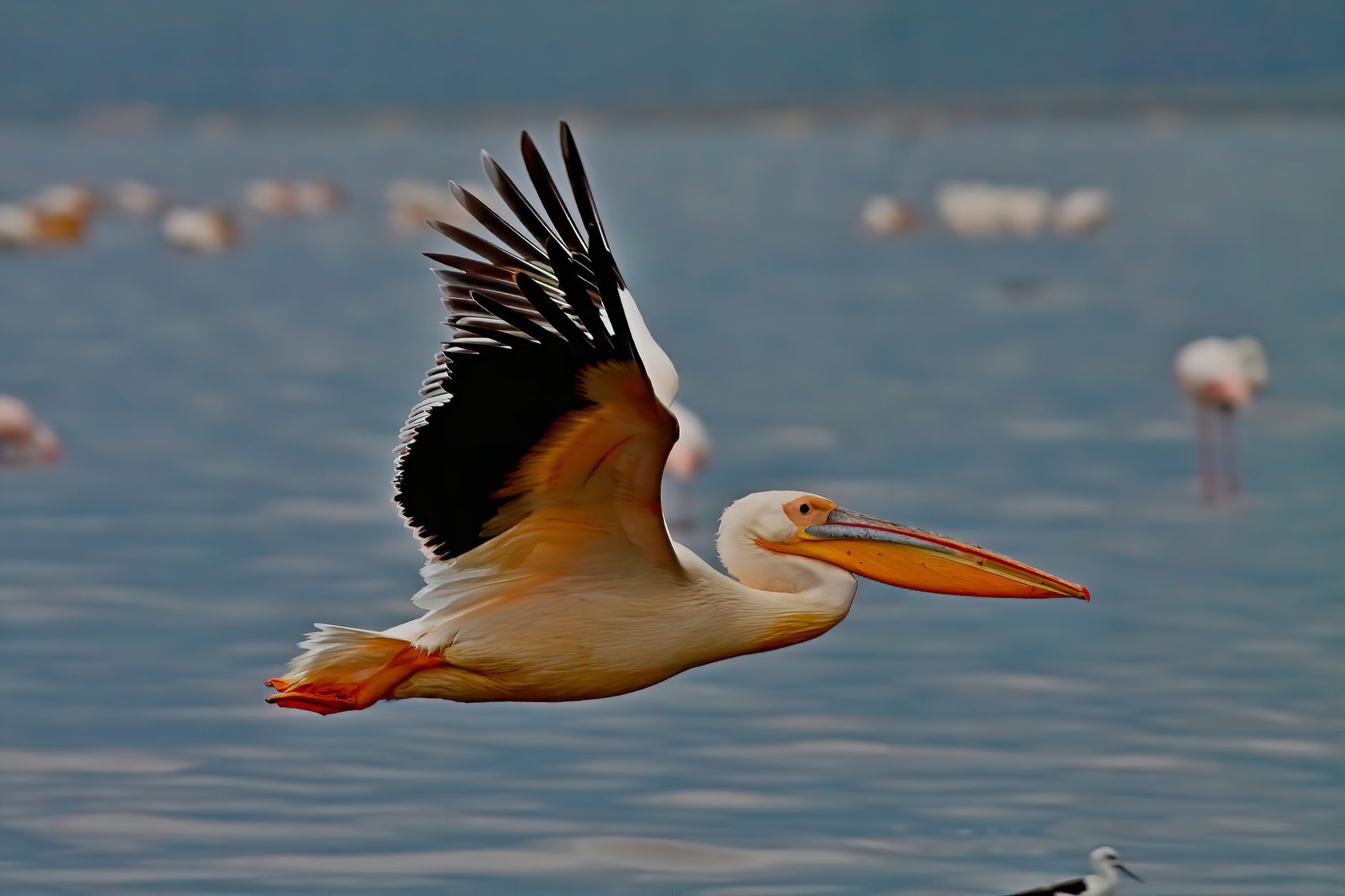
Rhinos are the headline at Nakuru. The park has protected both black and white rhino populations for decades, and guided game drives give you a solid chance of finding them. The soda lake also draws flamingos, pelicans, and other waterbirds, though bird numbers shift with lake levels. Hell’s Gate offers zebra, giraffe, hartebeest, and antelope, but you should not book it for lion or leopard sightings. If you want a dedicated rhino experience beyond Nakuru, our Ol Pejeta conservancy guide covers how a private conservancy manages and protects its rhino population.
Which Activities Work Better: Game Drives, Cycling, or Walking?
Lake Nakuru is designed mainly for guided game drives. Hell’s Gate allows a more active visit, with cycling, walking, rock scenery, and gorge excursions where conditions and park rules permit. A bicycle safari at Hell’s Gate feels more immersive. Lake Nakuru provides broader wildlife coverage from a vehicle, with better protection from heat or rain.
At Lake Nakuru, your day is built around a game drive. A guide drives you along the lakeshore, through woodland, and up to viewpoints. At Hell’s Gate, you can leave the vehicle. Bicycle rental is popular, and walking is allowed on marked routes with a ranger. The gorge visit depends on weather and park conditions. Our Lake Nakuru safari guide covers vehicle options and drive timing in more detail if you plan to self-drive.
Use this table to match your priorities.
| Planning question | Lake Nakuru National Park | Hell’s Gate National Park |
|---|---|---|
| Main appeal | Rhinos, birdlife, classic game drives | Cycling, walking, volcanic scenery |
| Common wildlife | Rhino, buffalo, giraffe, zebra, waterbirds, flamingos when conditions allow | Zebra, giraffe, hartebeest, antelope; predators are uncommon |
| Signature activity | Guided game drive | Bicycle safari, walking safari, gorge visit |
| Best for | First-time safari visitors, photographers, rhino fans | Active travelers, families, hikers, cyclists |
| Typical time needed | Half day to full day | Half day if you move at a steady pace |
How Do the Scenery and Atmosphere Compare?
Lake Nakuru combines a Rift Valley soda lake, forested escarpments, open grassland, and wooded wildlife zones. Hell’s Gate has a drier, more dramatic volcanic character, with basalt cliffs, geothermal features, ravines, and broad plains. Pick Nakuru for varied safari scenery and Hell’s Gate for cinematic geology and an adventurous landscape.
The two parks feel different from the moment you enter. Lake Nakuru wraps the lake with acacia woodland and grassy plains, and the views from Baboon Cliff stretch across the water. Hell’s Gate is dry and volcanic. Its red cliffs and rock towers feel closer to a high desert, and geothermal steam rises near the park boundary. Both are scenic, but they photograph very differently.
How Do You Reach Both Parks, and Can You Combine Them?
Hell’s Gate is commonly reached through Naivasha and lies about 90 kilometres from Nairobi, making it a practical day trip. Lake Nakuru works naturally on a Rift Valley circuit between Nairobi, Naivasha, and western Kenya. Combining both is realistic over two days, but rushing both parks into one day reduces wildlife and activity time.
Hell’s Gate sits just outside Naivasha, about 90 kilometres from Nairobi. You can drive there, join a day tour, or combine it with a boat trip on Lake Naivasha. Lake Nakuru sits further along the Rift Valley and fits naturally into a multi-day circuit. If you have two days, start with Hell’s Gate and Naivasha, then move north to Nakuru. A one-day attempt is possible, but you will lose the best hours of both parks.
Which Park Is Better for Families, First-Time Visitors, and Photographers?
Families and first-time safari visitors usually get the clearest all-round introduction at Lake Nakuru. Game viewing is vehicle-based, and wildlife is easier to scan from a guide’s vehicle. Hell’s Gate suits active families, older children, cyclists, hikers, and visitors who want to leave the vehicle. Photographers should choose based on subject: rhinos and birds at Nakuru, cliffs and movement at Hell’s Gate.
First timers often enjoy Lake Nakuru more because a game drive gives structure and a guide handles navigation. Children can stay in the vehicle and still see a lot. Hell’s Gate works for families who like activity, but young children may tire on a bicycle ride. Photographers should be honest about their subject. Nakuru suits rhino and bird photography. Hell’s Gate suits wide landscapes and action shots of cyclists and cliff walls.
When Is the Best Time to Visit Lake Nakuru and Hell’s Gate?
The dry seasons generally make wildlife easier to locate and roads more manageable in both parks, but neither destination is limited to one short window. Lake levels and food availability can influence flamingo concentrations, while rainfall affects gorge access, cycling comfort, vegetation, and road conditions at Hell’s Gate. Ask for current local conditions before fixing activities.
June to October and January to February are the usual dry windows for easier wildlife viewing in both parks. But Nakuru and Hell’s Gate can work outside these months. Rain brings green scenery and fewer crowds, though it can affect roads and gorge access. Flamingo numbers at Nakuru shift by lake levels and food, so check recent reports before you go. If you are weighing this trip against other Kenya routes, our Masai Mara versus Amboseli comparison can help. It walks through how seasonal timing plays out elsewhere in the country.
Lake Nakuru versus Hells Gate: Which Should You Choose?
Book Lake Nakuru for rhino sightings, guided game drives, birdlife, and a stronger traditional safari feel. Book Hell’s Gate for cycling, walking, volcanic scenery, and an easy Naivasha-area adventure. If your itinerary allows, combine them. Use Nakuru for wildlife and Hell’s Gate for active exploration, rather than treating one park as a complete substitute for the other.
Choose with your main goal in mind. If you want rhino sightings, a traditional game drive, and rich birdlife, Lake Nakuru is the stronger choice. If you want to cycle through a national park, walk through gorges, and see volcanic scenery, Hell’s Gate stands out. For a complete Rift Valley experience, consider both parks on one trip.
What Do Travelers Ask About Lake Nakuru and Hell’s Gate?
Is Lake Nakuru or Hell’s Gate Better?
Lake Nakuru is better for rhinos, game drives, birdlife, and a traditional safari experience. Hell’s Gate is better for cycling, walking, volcanic scenery, and a more active visit. The right choice depends on whether wildlife viewing or outdoor adventure is the main priority.
Which Is Better Lake Nakuru or Hell’s Gate for Wildlife?
Lake Nakuru is the stronger wildlife destination. It offers better prospects for rhinos and a wider classic game-drive experience. Hell’s Gate is known more for plains game, dramatic cliffs, walking, and cycling than for predator sightings.
Can You Visit Lake Nakuru and Hell’s Gate in One Day?
A rushed one-day visit is possible only with careful logistics, but it is not the best way to experience both parks. Allow at least two days. Lake Nakuru can be visited for a proper game drive, and Hell’s Gate can be enjoyed on foot or by bicycle.
Is Hell’s Gate Worth Visiting?
Hell’s Gate is worth visiting if you want a safari experience beyond vehicle game drives. Its combination of cycling, walking, gorges, cliffs, and an accessible Naivasha location makes it especially valuable for active travelers and families. It should not be chosen mainly for Big Five viewing.
Can You See Rhinos at Hell’s Gate?
Hell’s Gate is not the preferred park for rhino viewing. Travelers seeking reliable rhino-focused safari opportunities should prioritize Lake Nakuru or a dedicated conservation area such as Ol Pejeta. Then visit Hell’s Gate for scenery and active experiences.
Ready to Compare Kenya Safari Packages?
Once you know your priority, start comparing real itineraries. Browse packages from FindMySafari, Valley Safaris, and Trunktrails Safaris to compare operators, routes, and prices for a Rift Valley trip. You can also start planning directly with touringinsights.com. A clear comparison keeps your final choice grounded in practical trade-offs rather than marketing lists.
Where Can You Find More Safari Planning Resources?
- Kenya safari packages from SafariPure
- Lake Nakuru safari guide from Trunktrails Safaris
- Rift Valley lakes map from Valley Safaris
- Big Five safari collection on FindMySafari